Former water resources technician prosecuted for retaining classified topographic maps 8 years after resignation, Chinese authorities urge stricter safeguards
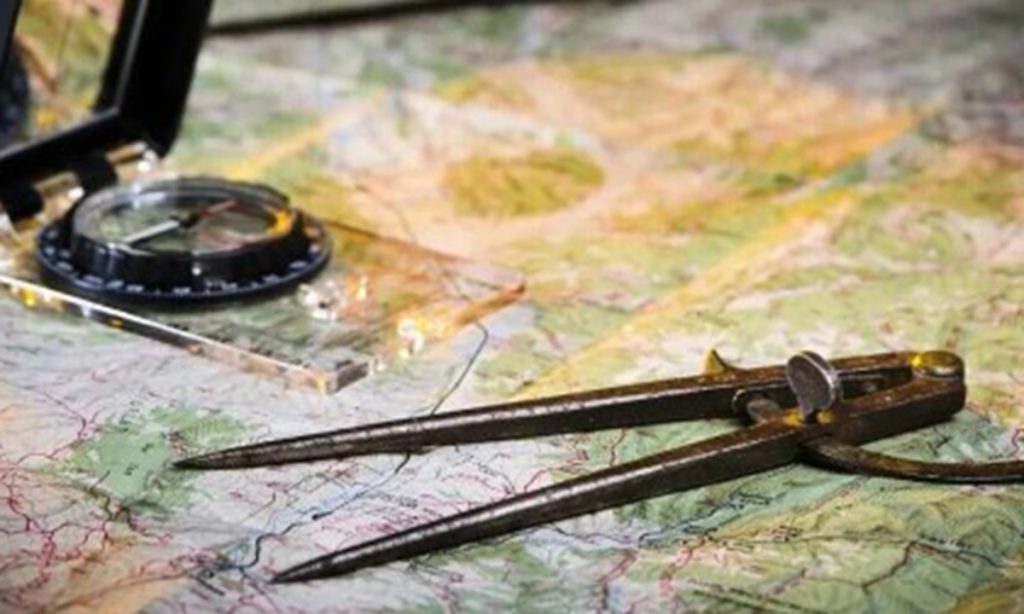
China's national security authorities on Monday released a case involving a former technician at a water resources research institute who was held criminally responsible eight years after leaving his position for failing to hand over and properly dispose of classified topographic maps stored on his personal hard drive.
The authorities reminded professionals to strengthen awareness of safeguarding national security, according to a notice published by the WeChat account "Baomi Guan," affiliated with China's National Administration of State Secret Protection.
With the rapid development of space, remote sensing and surveying technologies, the volume of geographic information products has continued to grow. However, some organizations have lacked effective confidentiality measures in the production, storage and use of geographic information, while some employees have shown weak awareness and insufficient knowledge of confidentiality requirements. As a result, incidents involving the leakage of surveying and mapping geographic information have occurred repeatedly, causing serious harm to national security and interests, the notice said.
The notice detailed the case of the technician surnamed Huang, who worked at a water resources and hydropower survey and design institute between 2008 and 2012. During his employment, Huang used his position to access scanned copies of classified topographic maps. Despite having signed a confidentiality agreement and being fully aware of his obligations, he illegally stored the classified materials on his personal portable hard drive.
In May 2012, when Huang left the institute, he failed to return or properly clear the classified topographic maps as required.
In 2017, Huang founded a company. In August 2020, authorities discovered that a computer belonging to another company contained multiple classified topographic maps during routine work. Investigations found that the classified materials had been provided by Huang's company. The materials involved a large amount of state secrets.
Following the investigation, Huang was held criminally responsible for illegally obtaining state secrets and intentionally disclosing state secrets.
The notice said the case involved several violations, including unauthorized storage of classified information, inadequate management practices and a lack of confidentiality awareness.
Authorities described the case as a typical example of violations involving the improper storage of classified surveying and mapping geographic information products, which is explicitly prohibited in the Article 29 of China's Law on Guarding State Secrets.
Huang's storage of a large number of classified topographic maps on a personal hard drive also seriously violated confidentiality requirements and constituting a breach of state secrecy regulations, per notice.
The notice also highlighted some organizations have focused mainly on drafting rules and signing written confidentiality agreements, while failing to establish effective systems, conduct sufficient confidentiality education or carry out regular inspections. Huang's ability to complete his resignation procedures despite failing to return classified materials exposed shortcomings in his former employer's internal management of classified surveying and mapping information, as well as weak enforcement of confidentiality rules.
The authorities called for stricter management of departing employees, including verifying that all classified surveying and mapping materials have been returned, revoking relevant access permissions, determining post-employment confidentiality obligations, conducting exit interviews, and requiring departing staff to sign confidentiality commitments.